
Card room evenings

Texas Hold’em evenings shaped by considered dining, poker tables, and a composed card room.

Fortune & Willow is a high-end Australian restaurant and offline poker venue where an immersive card-room evening can unfold through food, conversation and face-to-face Texas Hold’em. The atmosphere is attentive and premium: physical tables, quiet signals, and a deliberate high roller mood without the noise of spectacle. Come ready to share the room as much as the game.

Enquire about an evening
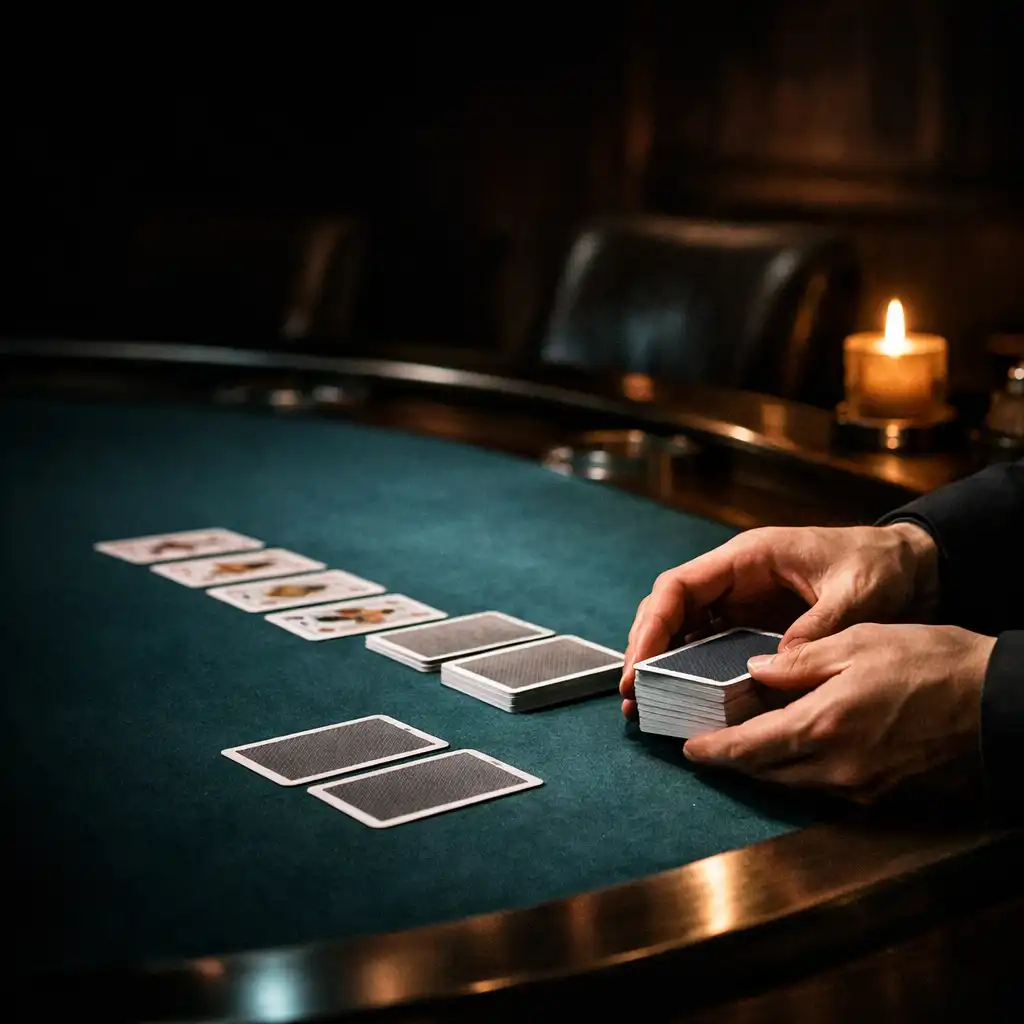
Hands preparing physical cards on a dark poker table beside candlelight
In person / table prepared

The evening, in sequence

A room with an unhurried change of focus.

01

Arrive into the room

Begin in a restaurant and card-lounge setting designed for conversation. Arrival is a chance to take in the room, meet the people around you, and orient yourself before the poker tables become the centre of attention. The emphasis is in-person hospitality: a calm welcome, a tactile setting, and enough space for the evening to find its own social rhythm.
02

Settle over considered dining

Considered dining can give the evening a grounded pace, allowing guests to connect before the card room calls for closer attention. If food is part of what you are planning, the Menu Archive offers useful culinary context ahead of an enquiry. It is a way to understand the restaurant’s point of view, not a promise of a fixed sequence.

03

Take a place at the poker table

The move into Texas Hold’em tournament play is face-to-face, attentive and shared. Physical poker tables bring decisions, conversation and table awareness into the same room. Clear conduct helps everyone settle into the flow; details particular to an evening are best clarified directly when you enquire, so your expectations arrive with the same care as you do.

Texas Hold’em, clearly framed

A shared-table format, held in the room.

Texas Hold’em is experienced together at the table. Guests follow the shared cards, respect turn order, and remain aware that each decision belongs to a collective rhythm as well as an individual moment. For someone who knows the name and wants a clear reminder, the important point is simple: this is an offline, in-person format where physical cards, visible table flow, and consideration for other guests matter. The card room is designed for focused social play, not detached mechanics.

Room conditions

A room built for attention.

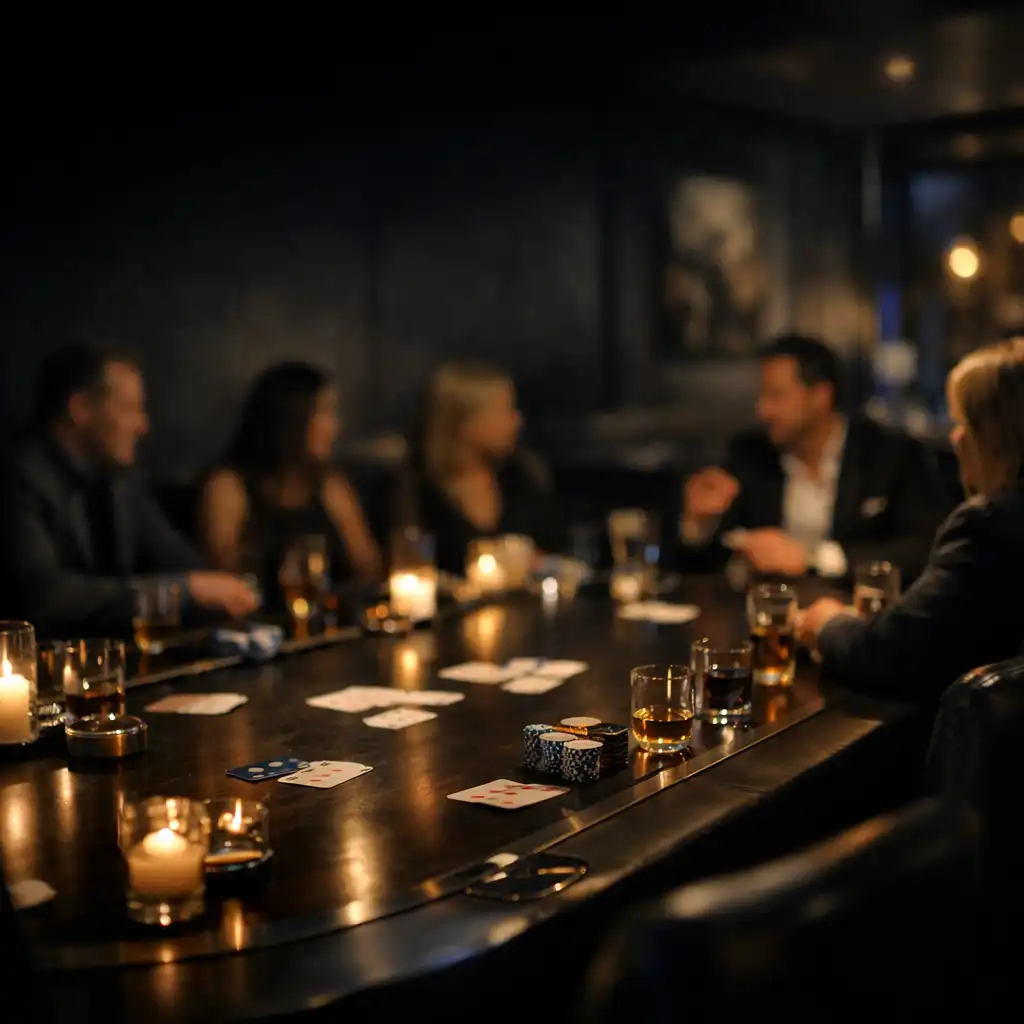
Low light, dark timber, brushed metal and candlelit depth give the card room a tactile calm. Poker tables are present without becoming theatrical; the restaurant warmth remains in the room while concentration has space to gather. It is an environment made for noticing a hand, a pause, a conversation, and the changing tone of an evening without losing the ease that brought guests together.

Candlelit card room with a long dark timber poker table and softly blurred guests

Conversation has a place

Social poker can remain conversational when guests read the table and leave room for concentration around meaningful moments. The culture is less about silence than awareness: knowing when to share a thought, when to pause, and how to let the table stay comfortable for everyone.

High roller atmosphere, without theatre

The high roller atmosphere here is composed confidence: attentive hosting, thoughtful surroundings, and a room that values visual restraint. It is a social energy carried by detail and focus, rather than spectacle, noise, or a need to perform for the table.

Details stay tangible

From the felt beneath a hand to the candlelight at the table edge, the room is made to be experienced in person. Those practical, physical details help the evening feel coherent from the dining room through to the card room.

At the poker tables

Small considerations make the table easier.

These tournament-specific cues are practical ways to arrive ready for a shared card-room occasion.

01 / preparation

Arrive ready to join

Use the response to your enquiry to understand any arrival guidance, then come ready for a seated card-room occasion. Preparation is simply a courtesy to the group: it helps you enter the room with attention available for conversation, dining interest, and the table when its focus changes.

02 / table flow

Keep action clear

Clear, in-turn actions and an uncluttered table make Texas Hold’em feel more comfortable for every guest. There is no need to turn the moment into a lesson; a visible, measured approach helps guests of different familiarity levels follow the shared pace with ease.

03 / social poker

Read the room

Enjoy the conversation while leaving space for concentration at important moments around the poker tables. Social poker works best when guests notice the room’s changing volume and attention, making it possible for warmth and focus to sit alongside one another.

04 / clarity

Ask with ease

It is entirely appropriate to ask whether an evening suits your experience or group. Use the tournament evening enquiry to share what you are considering and raise the questions that will help you decide comfortably.

A table for different kinds of guests

There is more than one reason to enquire.

A tournament evening can be considered from the perspective of curiosity, connection, or established table confidence.

Perspective 01

The curious guest

You may know Texas Hold’em by name, value a clear introduction, and want to understand the room before choosing an evening. A direct enquiry is the right place to describe that starting point and ask for current context, without assuming that the room will follow a generic format.

Ask about the room

Perspective 02

The social table

Friends or colleagues may be looking for a considered dining occasion that develops into social poker and shared card-room energy. If a private gathering is part of your thinking, outline the nature of the occasion through an enquiry to Fortune & Willow so the venue can respond with relevant context.

Perspective 03

The experienced player

You may be drawn to a composed Texas Hold’em setting, physical poker tables, and an immersive high roller atmosphere that remains respectful of the room. Share your interest through an enquiry for current evening details, while keeping the emphasis on a good shared table experience.

Share your context

Questions worth asking before the evening

Confirmation is better than assumption.

These are the useful practical questions to carry into a tournament evening enquiry.

Ask about the current Texas Hold’em tournament context and whether an evening suits the kind of poker experience you are seeking. A direct conversation lets you frame your interest clearly without relying on a calendar, a presumed schedule, or a format that may not reflect the occasion you have in mind.

Discuss the relationship between a considered meal and your card-room plans when you enquire. The Menu Archive can provide optional preparation, but the enquiry is where you can explain what matters to your evening without assuming a particular dining sequence or inclusion.

Yes. If you are planning a group occasion, outline the nature of your private gathering through an enquiry. That gives Fortune & Willow a useful starting point for a relevant response, without asking you to assume a capacity, bespoke format, or fixed card-room arrangement.

Helpful detail can include your preferred timing, the nature of the occasion, dining interest, poker familiarity, and any relevant questions. None of this needs to become a rigid brief; it simply gives the venue a clearer sense of what you are considering before details are clarified directly.

For a fuller discussion of moving through the card lounge with ease, read Card Lounge Etiquette. It offers broader room culture context beyond these tournament-specific preparation cues.

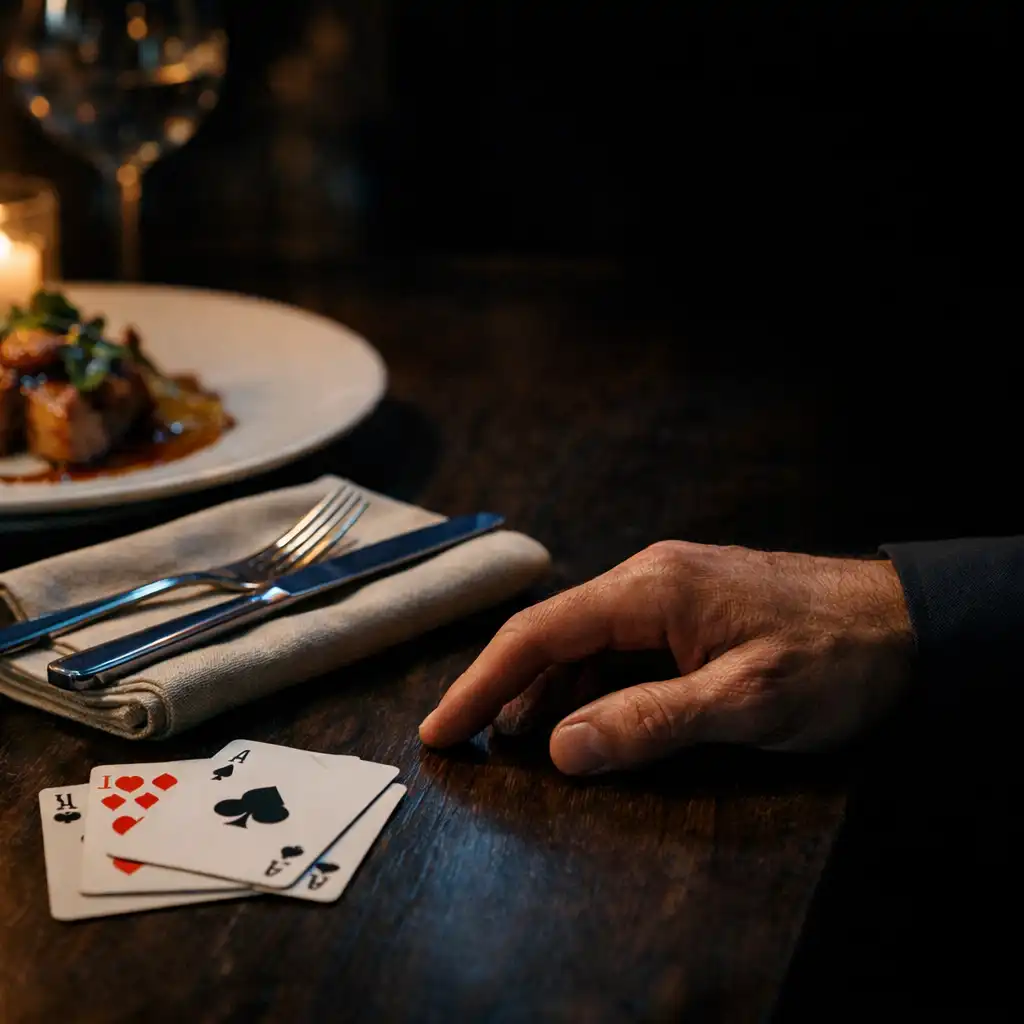
Refined dining detail with physical cards on a dark timber table

From dining room to card room

The room changes pace, not character.

The same attention to ingredients, conversation and room tone can carry from dinner into an immersive card-room evening. Considered dining gives the setting its hospitality-led foundation; offline poker gives it a shared point of focus. Neither needs to be treated as a fixed sequence. Together, they describe a venue where the physical details of the table invite guests to stay present.

Plan a considered enquiry

Tell us what kind of evening you are considering.

Share the Texas Hold’em tournament evening or card-room occasion you have in mind. Dining interest, group context and poker familiarity are useful optional details, not commitments. The purpose is simply to give Fortune & Willow enough context to understand your enquiry with care.

Useful if you would prefer a phone conversation.
Share a general preference if one is helpful.
For example, the occasion, dining interest, or poker familiarity you would like us to understand.

The best tournament evening begins with attention to the room.

Bring consideration for fellow guests, the restaurant’s dining rhythm, and the shared pace of offline poker. That is how a composed high roller atmosphere remains warm, tactile and genuinely social.

Start an enquiry